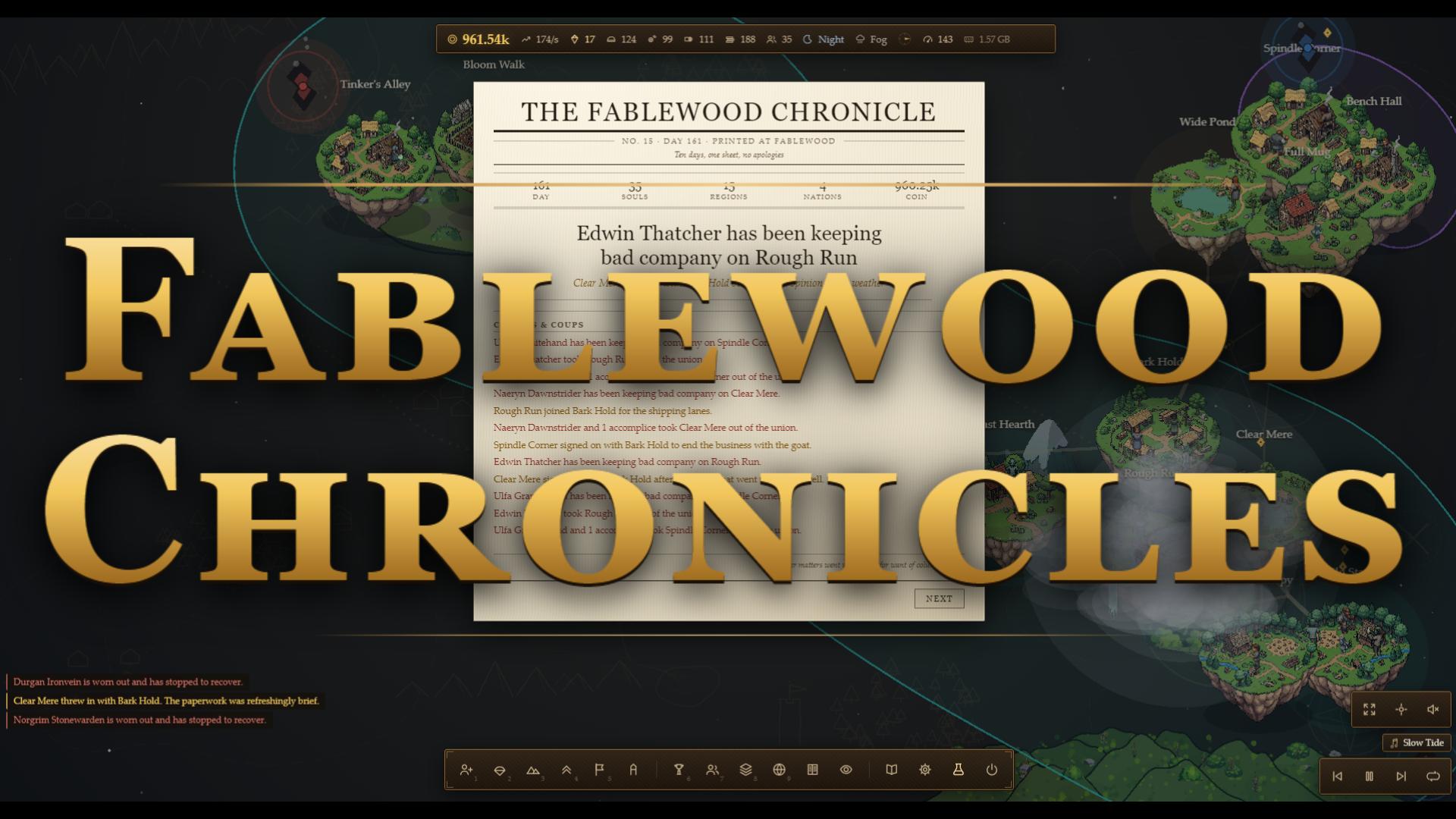
Fablewood Chronicles is an idle strategy game about a civilization
of moveable regions that keeps running whether or not you are watching it.
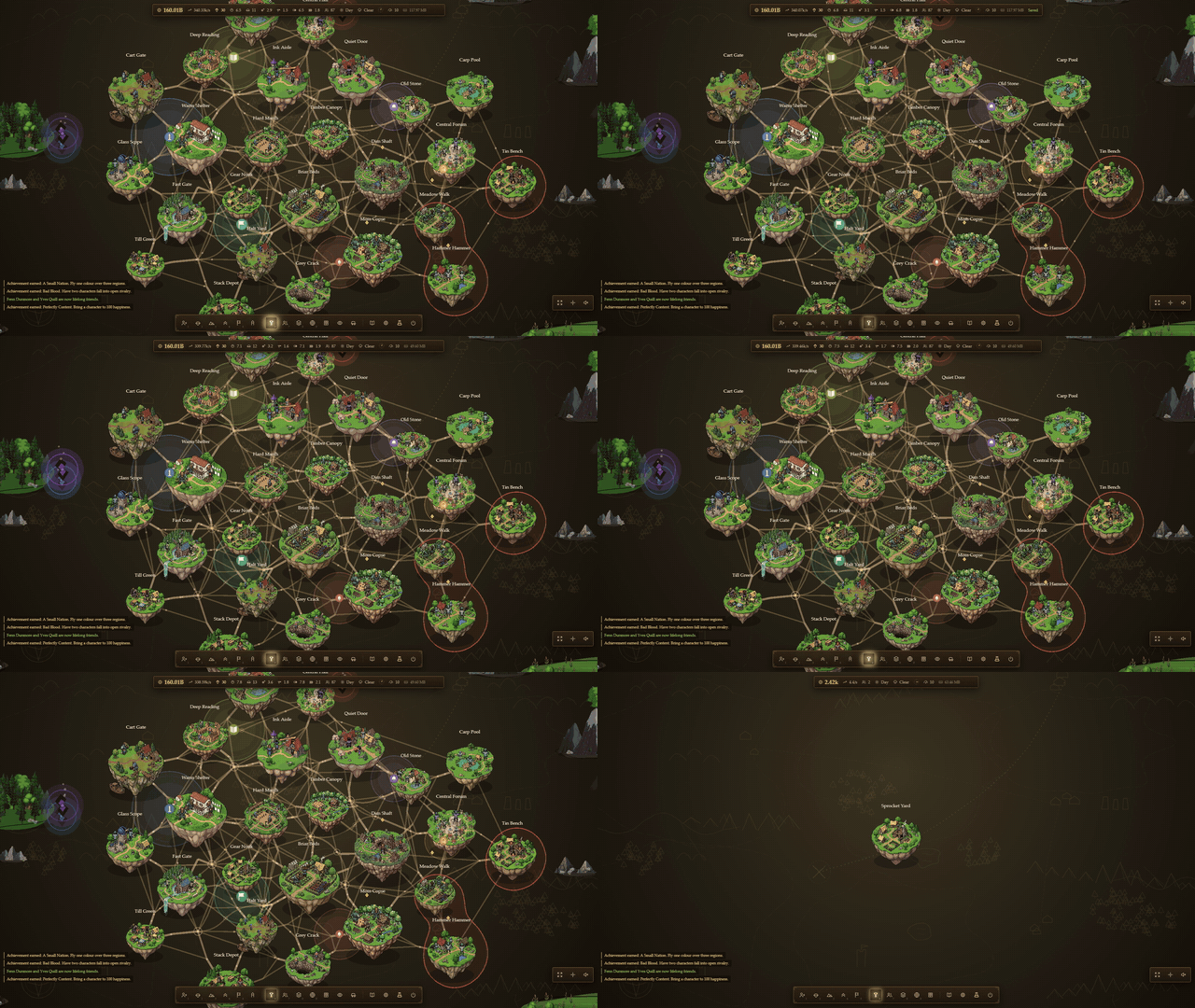
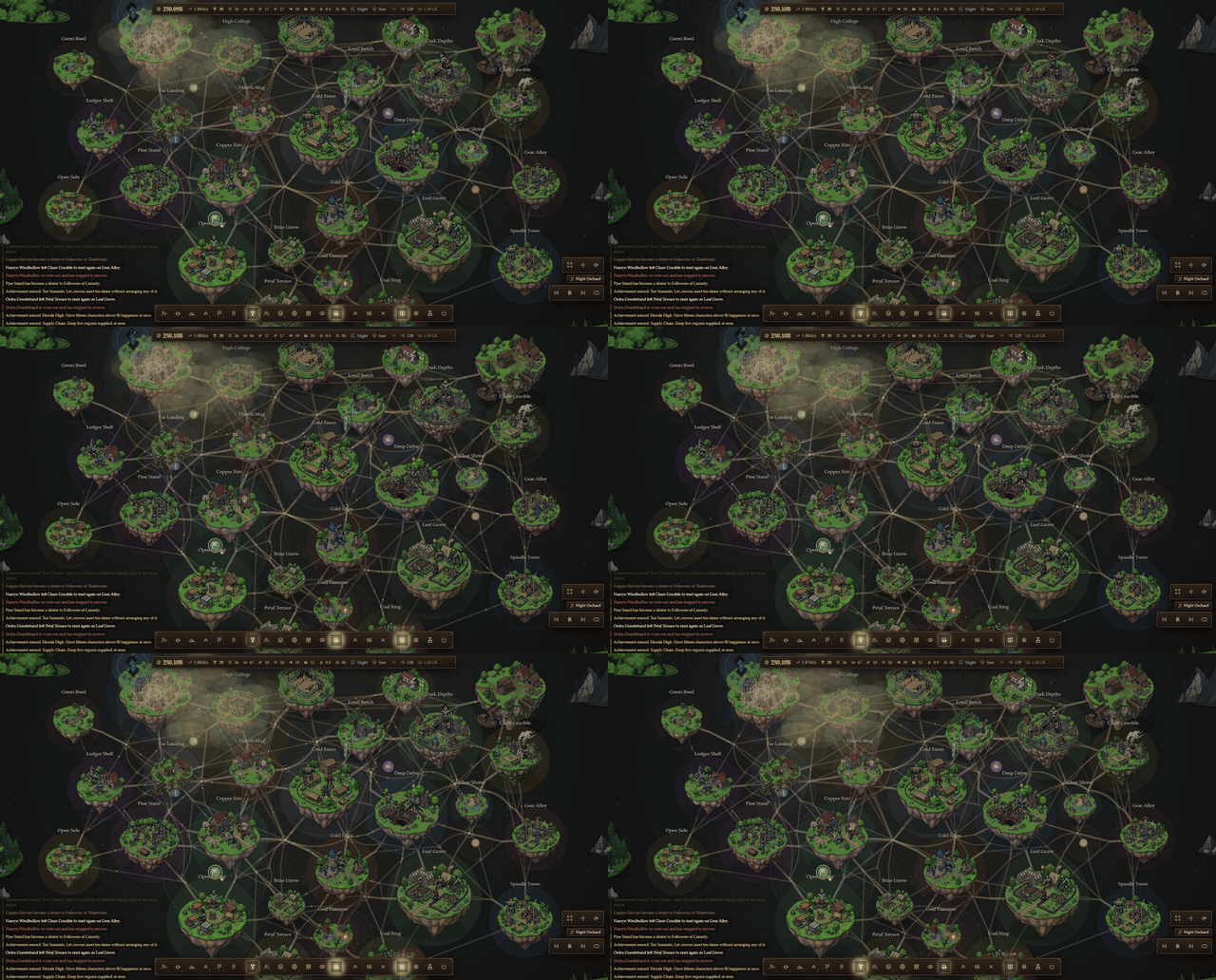
You buy a region and put it somewhere. Every region type reaches a
certain distance, so two placed within reach of each other open a road
between them. Money cannot improve that road. It improves because people
walk it, and a worn road is faster and kinder to the traveller on it.
Wear enough of them in and the lines stop being lines: roads bundle into
trunks, crossings collapse into junctions, and highways curve between the
places your people actually go. Drag the two regions apart and the road
between them is lost permanently.
Everyone who lives on those regions has a name, a race, a trade and a
temper. Five races and thirty trades cross into a six-hundred-cell table
deciding how good each trade is in each kind of place, so where you put a person
matters as much as who you hired. They pick up quirks, master their craft,
take apprentices, and form friendships and rivalries that pay out in
happiness. Happiness matters because work spends it and income tracks it
directly.
Politics comes out of all that without being asked for. The
best-connected person on a region earns its crown, and the longer they
wear it the harder people feel about them, until a conspiracy forms around
one name and the flag comes down. Faiths appear with names nobody wrote
and spread by people standing next to each other. Roads across a border
turn into alliances, or grievances, or wars, and a war is fought one pair
at a time with everyone walking away from it. There is no diplomacy
screen: the politics follow from who spends time with whom.
The game never punishes you for leaving. Crops do not wither and timers
do not expire. Leave it running transparent and click-through over your
work, or minimise it and come back next week; when you return the world
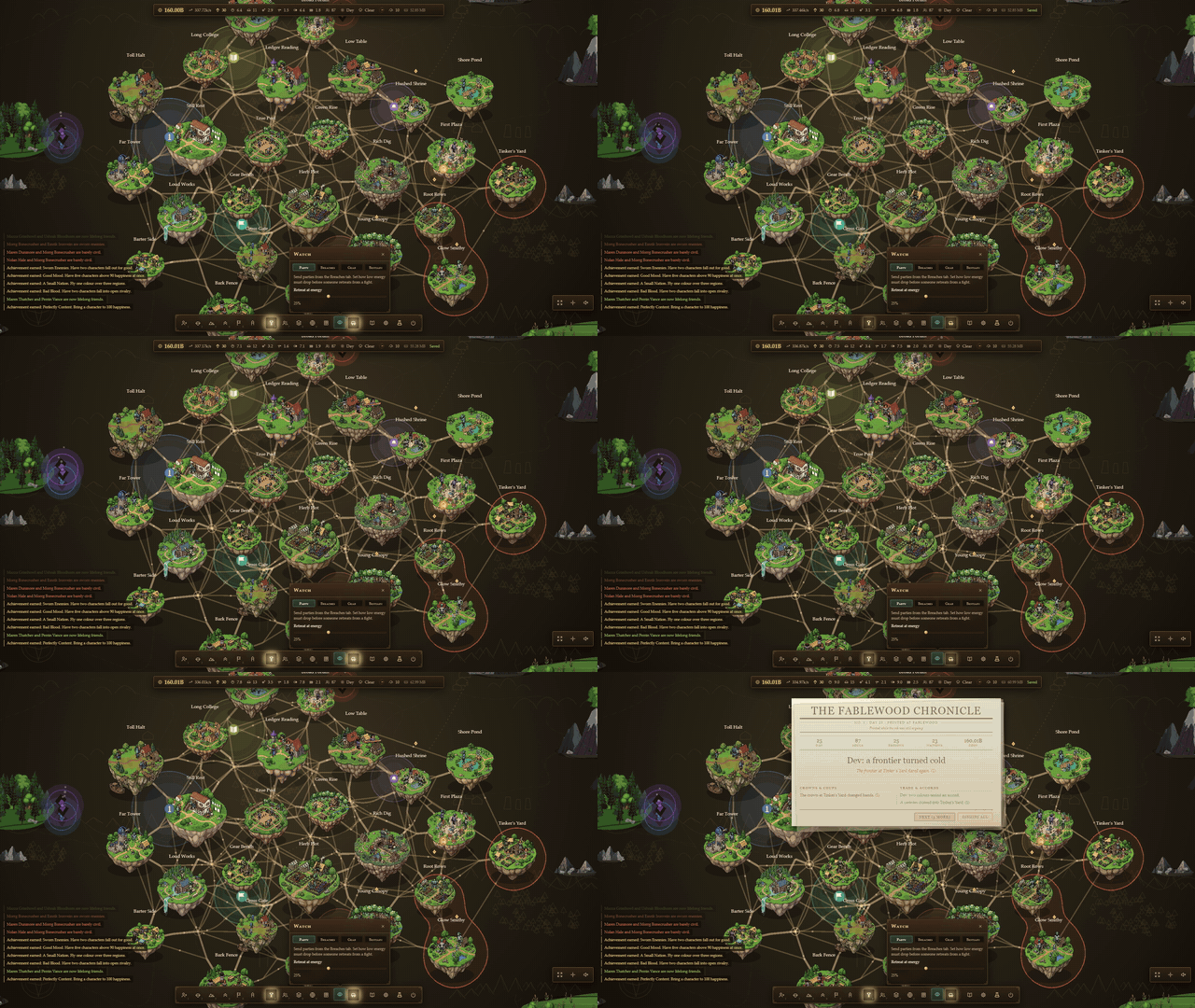
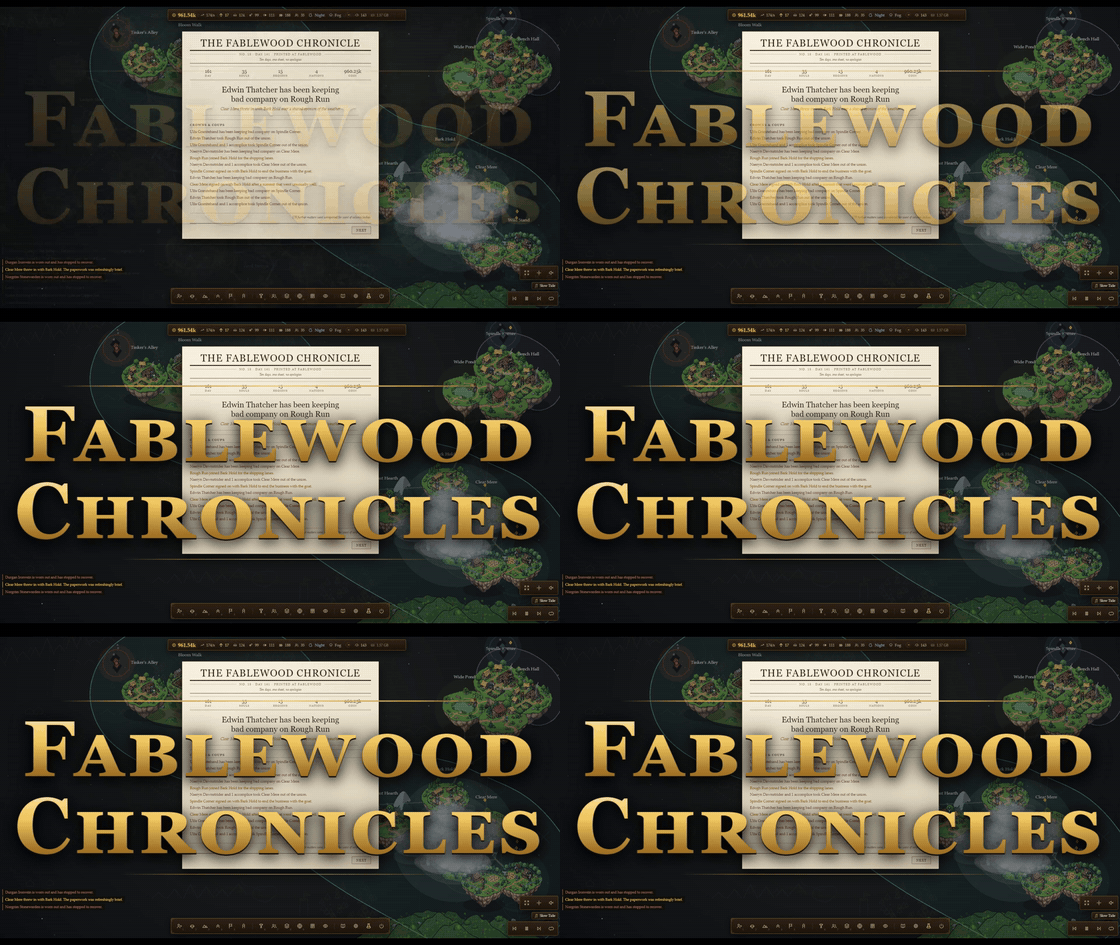
hands you the Chronicle, a newspaper published every ten in-game days that
tells you who took a crown, which faith reached which shore, and which
road finally wore in. It reads as history rather than as a log.